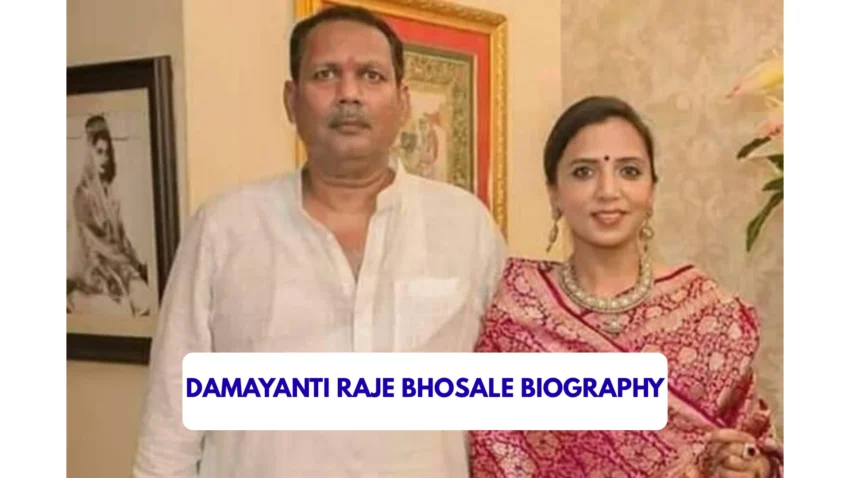
Damayanti Raje Bhosale (sometimes spelled Bhonsle/Bhosle) is widely recognized as the Rani (queen) of Satara, best known in contemporary media as the spouse of Chhatrapati Udayanraje Bhosale, a public figure and politician from Maharashtra.
As a modern royal consort, Damayanti Raje has appeared at cultural and religious events, supported charitable initiatives, and taken part in public ceremonies connected to the historical legacy of the Bhonsle family.
Profile Data
- Full Name: Damayanti Raje Bhosale
- Born: Not publicly documented (no reliable source found)
- Nationality: Indian
- Occupation: Public influencer / Royal consort (Rani of Satara)
- Spouse: Udayanraje Bhosale
- Children: Daughter Nayantara Raje Bhonsle, Son Veerpratapsinh Raje Bhonsle
- Net Worth: (Not her personal net worth, but her husband’s declared wealth is about ₹16 crore per some sources)
Early life and background
Public sources provide limited detail about Damayanti Raje Bhosale’s early life and family background; most public references link her identity to the Satara royal family through marriage. She is referenced in news and public records primarily in the context of her role as Rani and as spouse to Udayanraje Bhosale. Because primary biographical details (such as birthdate, early education and parents) are not broadly published, most profiles focus on her public appearances and patronage activities.
Marriage and role as Rani of Satara
Damayanti Raje married Udayanraje Pratapsingh Bhosale — a descendant of the Bhonsle dynasty and a well-known politician — in November 2003, and since then has been referred to in media and community contexts as Rani (queen) or Maharani of Satara. Her marriage places her within a historical lineage that traces symbolic connection to Shivaji Maharaj’s legacy, a role that carries ceremonial significance in the region.
Public life and appearances
Damayanti Raje Bhosale regularly takes part in public and religious events tied to Satara’s history and Maharashtrian cultural life. Photographs and reports show her attending festivals, Kumbh-related pilgrimages, and community gatherings alongside her husband and other dignitaries. Media outlets and social posts highlight her presence at charitable, cultural, and ceremonial functions where she often represents the family and its long-standing local ties.
Philanthropy and social engagement
While there is not an extensive public dossier listing formal charities under her personal name, Damayanti Raje Bhosale’s activities often intersect with philanthropic undertakings associated with the Satara royal household. These usually include support for community events, religious institutions, and local social causes. Local news coverage and social media posts emphasize community outreach and ceremonial patronage rather than a catalogue of individual NGOs.
Cultural and ceremonial significance
The Bhonsle family (often spelled Bhosale/Bhonsle) occupies a symbolic position in Maharashtra due to historic ties to the Maratha empire. In modern India, that symbolism translates into cultural stewardship — hosting or endorsing events that celebrate Maratha history, festivals, and local traditions. As Rani, Damayanti participates in maintaining these traditions, attending processions, religious observances, and events that highlight Satara’s heritage.
Public perception and media coverage
Media coverage of Damayanti Raje tends to be respectful and focuses on her role accompanying and supporting the public duties of her husband, Udayanraje Bhosale. Photo galleries in mainstream outlets and social posts show her at high-profile public events, reinforcing her public image as a cultured and ceremonial figure within Satara and Maharashtra.
Facts to note (verified)
- Damayanti Raje Bhosale is publicly identified as the spouse of Udayanraje Pratapsingh Bhosale, a politician and titular Chhatrapati associated with Satara.
- Public images and reports confirm her participation in cultural, religious and ceremonial events tied to the region’s heritage.
Why there’s limited detailed personal information
Contemporary public profiles for many royal consorts in India — particularly those who are not elected officials themselves — often emphasize ceremonial roles and public appearances rather than comprehensive personal biographies. Additionally, if a person prefers privacy or does not maintain a high public personal profile, detailed personal data (exact birthdate, formal CV, private family history) may not be widely available in news archives or government records.
Frequently Asked Questions (FAQs)
Q1: Who is Damayanti Raje Bhosale?
A1: Damayanti Raje Bhosale is commonly known as the Rani of Satara and is the spouse of Udayanraje Bhosale, a public political figure and titular descendant of the Bhonsle dynasty.
Q2: When did Damayanti Raje marry Udayanraje Bhosale?
A2: Public parliamentary records and profiles indicate the couple were married in November 2003.
Q3: Does Damayanti Raje Bhosale run any charities?
A3: There are public reports of the royal household’s philanthropic engagements and community events, but a formal list of charities set up solely under her name is not widely published.
Q4: Is Damayanti Raje a political figure?
A4: She is not known as an elected politician; her role is primarily ceremonial and public-facing as a member of the Satara royal family and as spouse of a politician.
Q5: Where can I find photographs or media of Damayanti Raje Bhosale?
A5: Major Indian media outlets (photo galleries) and social platforms include images from public events. Times of India and social media posts have recent event photos.
Conclusion
Damayanti Raje Bhosale occupies a public role rooted in historical tradition and contemporary ceremonial duties. While granular personal details are limited in public sources, her identity and public presence are clearly tied to her role as Rani of Satara and partner to Udayanraje Bhosale. Her appearances at cultural, religious, and community events underscore the continuing social and cultural relevance of the Satara royal family in Maharashtra today. For in-depth personal details, primary sources such as official family statements or authorized biographies would be the most reliable references, but current public records and media coverage provide a consistent picture of her ceremonial and community-facing life.